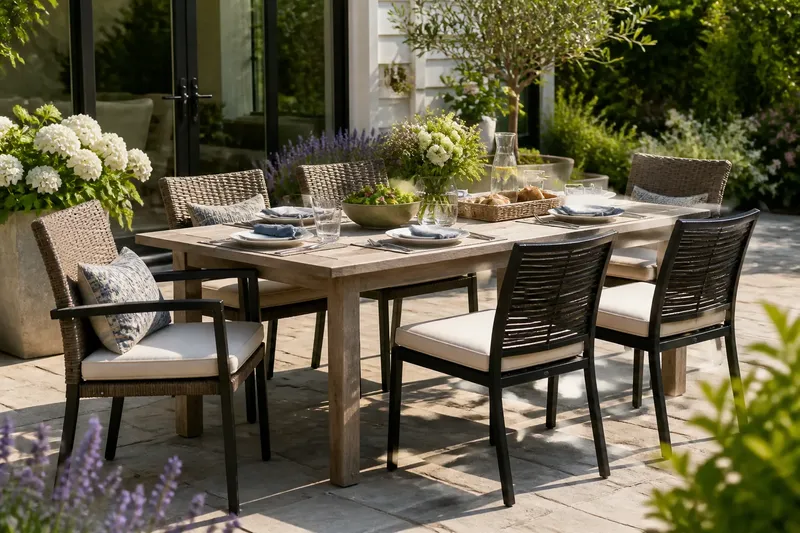
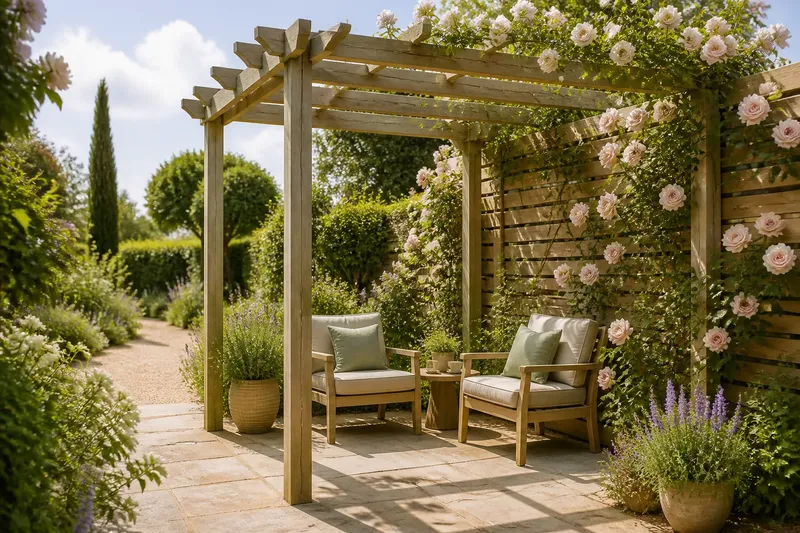
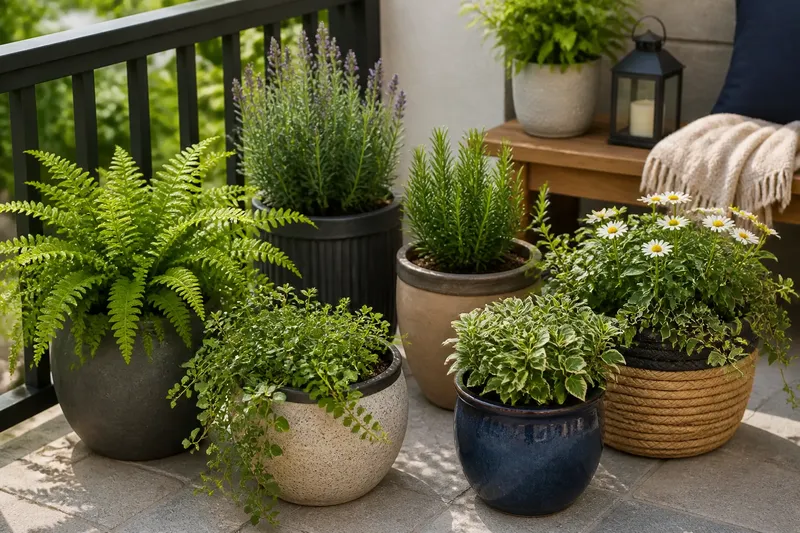
Why a Clear Route Makes a Patio Feel Larger
A clear route through a patio makes movement easier and the space feel more open. Plan the path first, then arrange furniture around it.
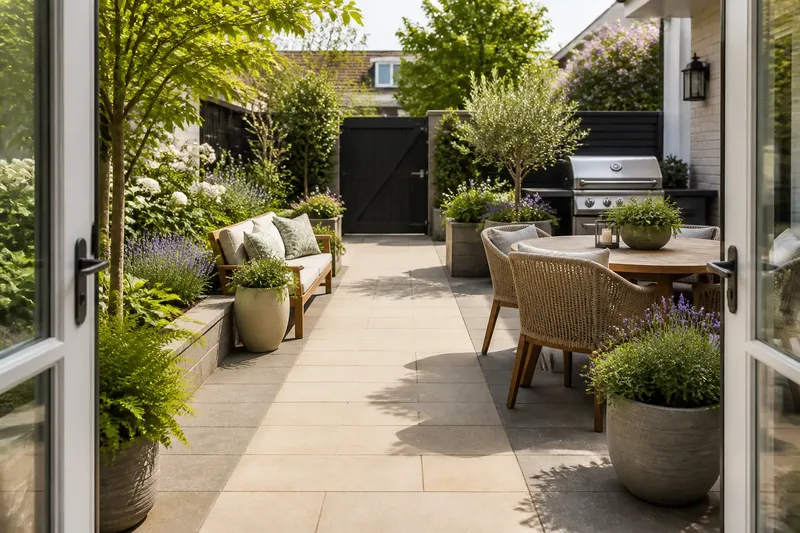
You step onto the patio carrying a tray, but a chair leg and a planter force you to turn sideways. The space may be modest, yet that awkward detour makes it feel smaller. A clear route through a patio gives the eye and body a direct way across, so plan the path before placing furniture.
1. Find the natural destination
Start by noticing where people already need to go. Common destinations include a back door, a gate, a grill, a garden bed, or a spot where someone likes to sit. The route should connect the entrance to the places used most often, rather than simply tracing the patio’s edge.
Walk the space at an ordinary pace and imagine carrying something in both hands. Where would you naturally turn? Which doorway or garden feature draws you onward? Those observations help reveal a practical line through the patio before chairs, tables, or pots make the decision for you.
For a patio with several destinations, give the most frequent trip the clearest passage. Less-used corners can remain reached by a short branch off that route. This is like leaving an aisle open between shelves: the furniture can be useful and inviting without forcing people to weave through it.
2. Mark the route first
Before moving heavy furnishings, sketch a simple plan on paper or use removable painter’s tape to mark a possible path on a clean, dry surface. Include door swings and the space needed to approach a table or seat. A route that looks open on a drawing can feel pinched if a door opens into it or a chair must be pulled across it.
Keep the route visually legible. It need not be a formal strip of paving; a line of open floor, a change in paving direction, or a gap between furniture groups can do the job. Avoid making the path look like an accidental leftover space. When its direction is easy to read, a visitor can cross the patio without pausing to decide where to go.
Say you have a small rectangular patio between a kitchen door and a garden gate, with a round table planned near the center. Imagine marking a direct passage along one side of the table before placing anything. If the tape reveals that a pulled-out chair blocks the line, shifting the table toward the opposite edge may keep the route open while preserving a usable dining area.
3. Place furniture around movement
Once the route is marked, arrange furniture to support it. Put a bench or lounge chair beside the path rather than across its direction of travel. Set a table where people can approach it without turning the main passage into a queue. A small grouping can feel settled when it has a clear boundary and an easy way in.
Check how furnishings behave in use, not only when pushed neatly into place. Chairs move back, stools get pulled out, and cushions may spill over an edge. Leave room for those ordinary changes. If the route disappears as soon as someone sits down, the arrangement needs adjusting.
Bulky pieces deserve special attention because they can narrow a passage from both sides. A storage bench, large planter, or outdoor cabinet may be useful, but each should have a deliberate position outside the clearest line of travel. Small items can cause the same problem when they accumulate: a side table, watering can, or folded blanket may quietly turn an open passage into an obstacle course.
4. Keep the route readable
A clear route is not only a gap between objects. The eye should be able to follow it. Strong contrast between a dark mat and dark paving, for example, may make the floor appear broken into pieces. A continuous surface or a repeated paving pattern can help the passage read as one connected area.
Use edges to suggest direction without building a barrier. A low planter placed beside the route can define the seating area, while a tall pot at a turning point may block the view ahead. Consider what someone sees from the doorway: if the next destination is visible, the patio often feels more open than when a bulky object interrupts the sightline.
Keep decorative accents from clustering at the narrowest point. Lanterns, small pots, and sculptural objects can add interest, but they work better where people can pause rather than where they must pass. A route should feel like an invitation to move through, not a display shelf to navigate around.
5. Check the route in use
After arranging the patio, walk the route from each entrance and try the common tasks: carrying a drink, opening the gate, reaching a chair, or taking a basket toward the garden. Notice where you slow down, turn sideways, or shift an object out of the way. Those small interruptions point to specific changes, such as moving a pot or rotating a chair.
Check the view from more than one place. Stand inside the doorway, sit in the main seating area, and look back toward the house. A route may be physically clear but visually hard to read from one of these positions. Moving a single object can restore the sense of an open line without removing useful furniture.
Then repeat the check after the patio is being used normally. A watering hose, shoes, serving tray, or garden tools can take over the very space the plan left open. Decide where those items belong when they are not in use, so temporary clutter does not become a permanent detour.
6. Plan for changing needs
Patios change as seasons and routines shift. A table may move closer to the house for frequent meals, while a planter is brought out during warm weather. Keep the route flexible enough to survive those changes. Lightweight furniture can be repositioned, but the main passage should remain recognizable even when accessories move.
Think about maintenance as well as daily movement. Leaves collect in corners, and a hose may need to reach planting areas. If furniture blocks every way to sweep or water, it is likely too tightly packed. A route that remains accessible makes ordinary care easier and helps prevent the patio from becoming cluttered again.
Where paving is uneven or a change in level affects access, consider the surface and any relevant local requirements before settling on an arrangement. For most patios, though, the useful first decision is simpler: identify the destinations, mark the line between them, and let every piece of furniture earn its place around that route.
Questions about patio routes?
How wide should a patio path be?
Make it wide enough for the people who use the patio to pass comfortably, including when carrying common items. The needed clearance depends on furniture, mobility needs, and local access requirements, so check applicable guidance where access standards matter.
Should the route run through the center?
Not necessarily. A route along one side may preserve a larger seating area, while a central line can connect several destinations more naturally. Choose the line that serves actual movement without cutting through the main place to sit.
Can planters define a patio path?
Yes, if they mark the edge without narrowing the passage or hiding what lies ahead. Keep larger containers beside the route rather than at a turn or doorway where they can interrupt movement.
What if the patio is too small for separate zones?
Keep one direct route and let furniture serve more than one purpose, such as a bench that also provides storage. The patio can still feel organized when the passage remains open and the seating is grouped beside it.
A clear route does not require an empty patio. It gives each furnishing a sensible relationship to movement, so the space feels easier to cross and more generous to use. When you next rearrange the patio, decide where people need to walk before deciding where the chairs should go.